
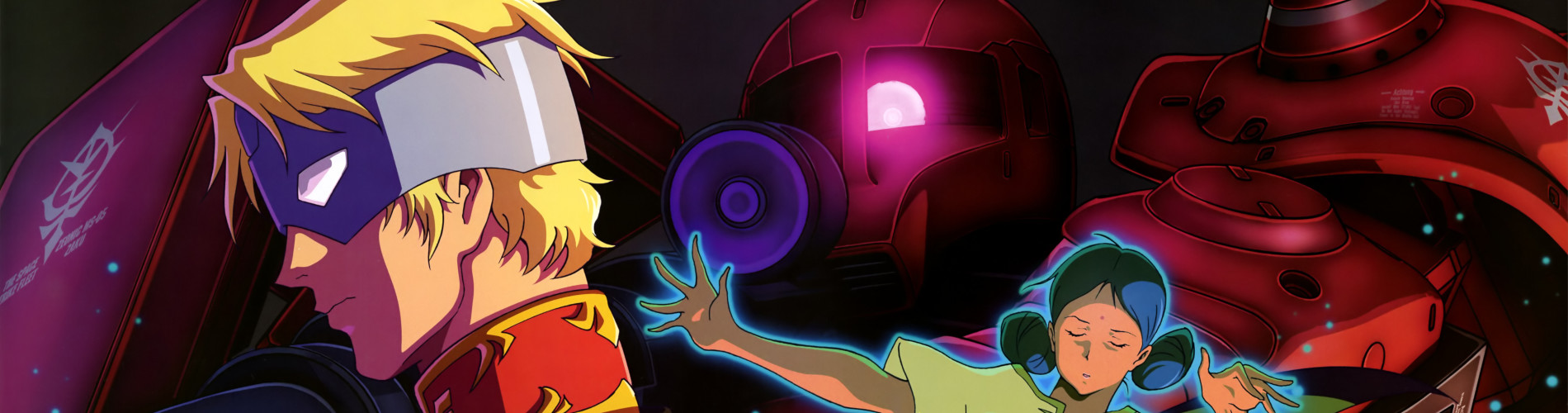
Mecha is anime's great machine-age argument. Its robots can be superheroes, military hardware, family legacies, or bodies that reveal what their pilots are afraid to become.
The machine is never the whole point
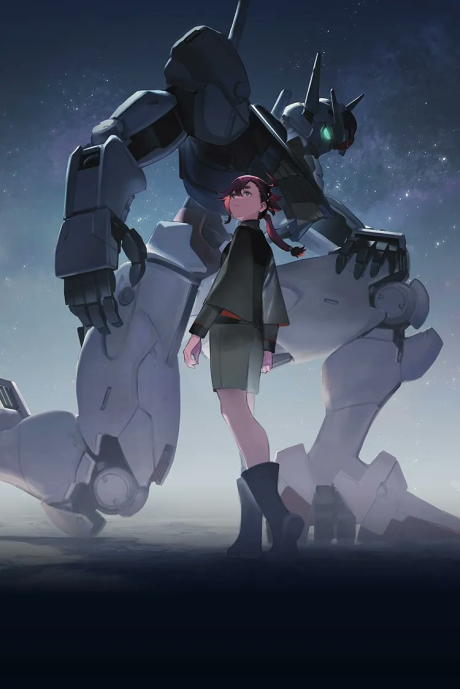
The best mecha stories make design part of character. A machine may embody national ambition, corporate power, a parent's expectations, or the physical cost of war. That is why two shows with giant robots can feel like completely different genres.
Three turns that changed the form
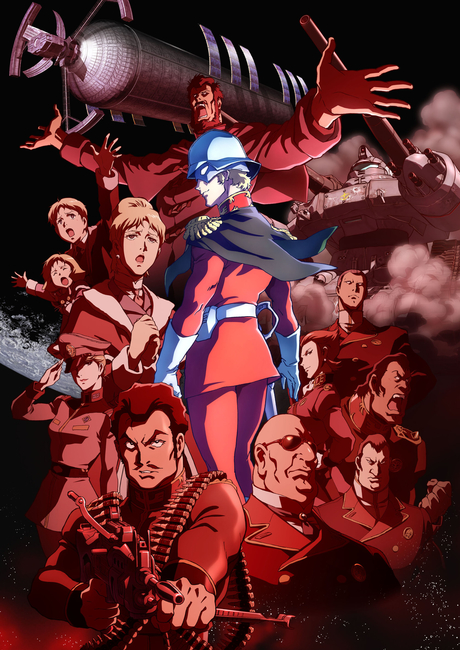
Early super-robot stories treated the machine as a singular heroic weapon. Mobile Suit Gundam helped popularize the real-robot approach, where machines belong to armies and logistics matter. Neon Genesis Evangelion then turned the cockpit inward, using biomechanical spectacle to examine isolation, duty, and self-worth.
How to find your entry point
Start with the question you want the machine to answer. Choose military drama for institutions and tactics, heroic adventure for momentum, or psychological mecha when the pilot's inner life matters as much as the battle.
A short history
1970s
Heroic machines
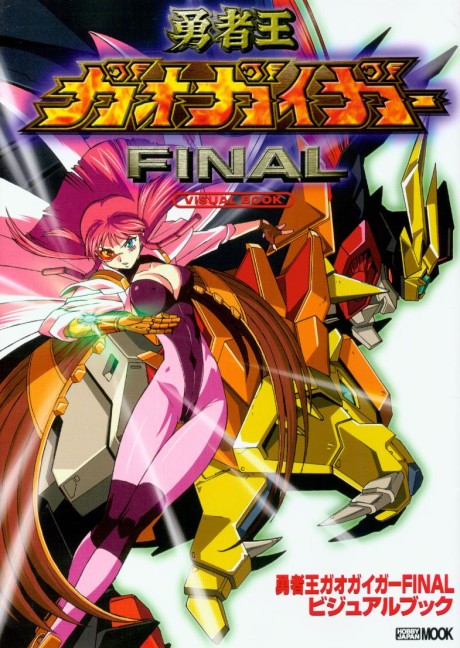
Super-robot television made the named machine a larger-than-life extension of its hero.
1979
The real-robot turn
Mobile Suit Gundam framed machines as mass-produced weapons inside a political war.
1995
The cockpit turns inward
Evangelion fused apocalyptic action with an unusually intimate study of its pilots.