The Anime Lad
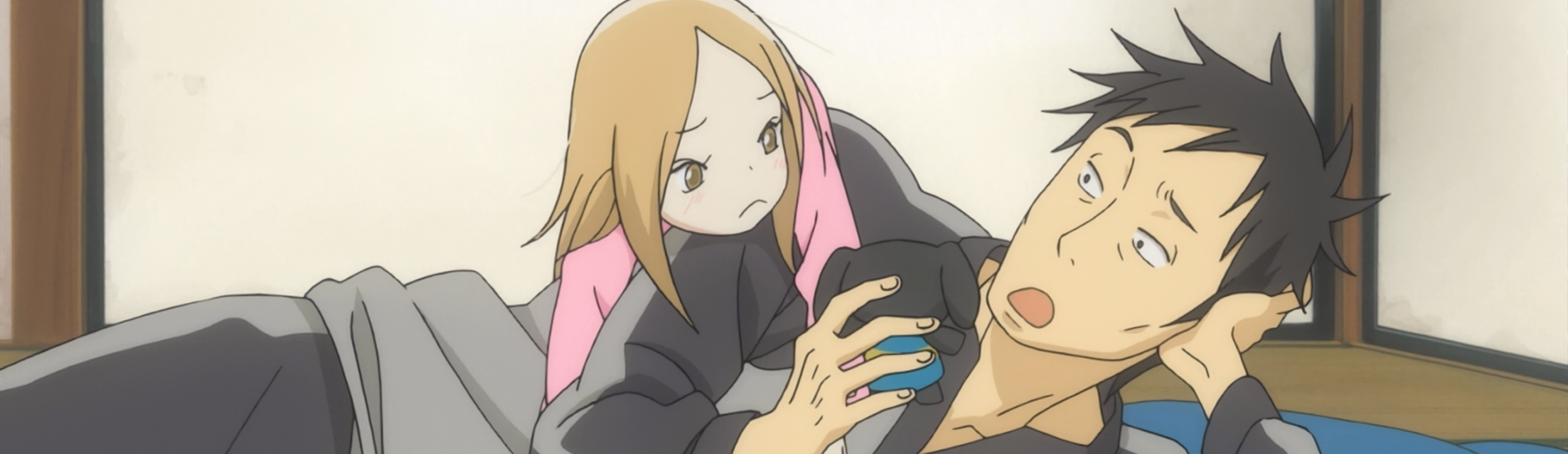
Thirty-year-old Daikichi meets a quiet young girl named Rin at a difficult family gathering. The adults around him react with embarrassment and want no responsibility for her. Angry at their refusal, he offers to take her in himself. The decision is immediate. Understanding what daily care requires will have to come afterward.
Super Eyepatch Fox
A family gathering leaves young Rin without anyone willing to take responsibility. Daikichi is a single thirty-year-old with no parenting experience, but the adults' rejection angers him enough to act. He brings Rin home. Bunny Drop begins with that choice, then turns toward the struggle and joy built into caring for another person.
Gigguku
Every adult in the room treats quiet little Rin like a problem to pass along, and Daikichi finally says enough. He takes her in before he knows what parenting will demand. I love the moral impatience of that setup. It is generous, messy, and immediately bigger than the burst of anger that made him volunteer.
Father's Basement
An impulsive offer to care for a child can make a protagonist look noble before he has done any work. Bunny Drop at least begins by making Daikichi inexperienced. He is reacting to a family that refuses Rin, not presenting a polished parenting philosophy. The worthwhile question is what happens after the admirable sentence.