BELLE

BELLE contrasts rural isolation with a vast virtual platform, using music and digital identity to explore a quiet teenager’s sudden public visibility.

Synopsis
The Anime Lad

Seventeen-year-old Suzu lives quietly with her father in rural Kochi. She enters the massive online world U and creates an avatar named Belle. Her singing draws widespread attention there, placing her ordinary school life beside a virtual identity visible across the platform.

Super Eyepatch Fox

Suzu is a reserved student living in a shrinking rural community. She enters U, a massive virtual world, as an avatar named Belle. Singing there attracts attention from across the platform. Her online visibility creates opportunities and pressures far removed from daily life in Kochi.

Gigguku

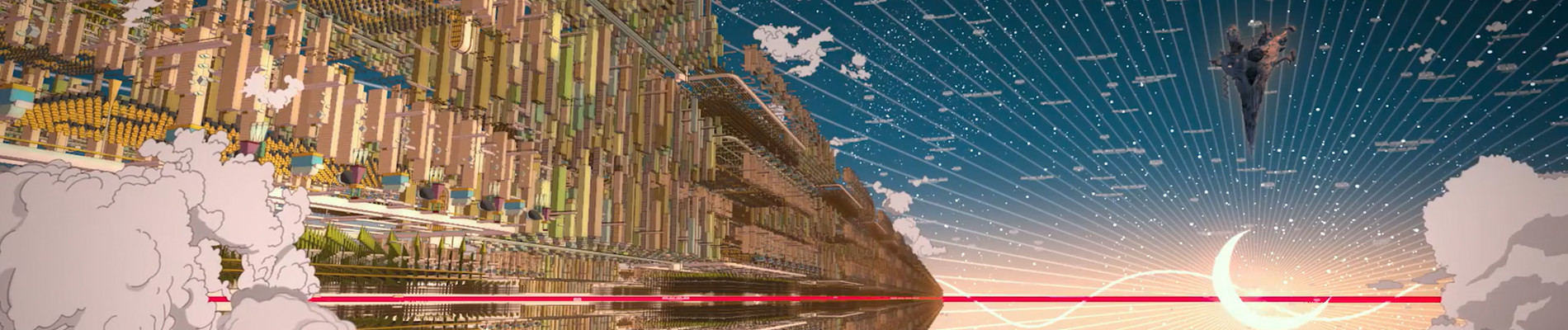
BELLE takes Suzu from quiet rural roads into U, where a vast online crowd gathers around her avatar. Singing as Belle gives her a scale she cannot reach in ordinary life. The contrast between a local school day and sudden virtual attention makes every performance feel impossibly large!

Father's Basement

U works better as emotional space than believable technology. Its immense crowds and rapid attention follow broad fairy-tale logic. That looseness serves the central contrast, though. Suzu’s rural life is physically small, while Belle’s singing makes her visible throughout a world built from online identity.

The protagonist of this story, Suzu, is a 17-year old high school girl living with her father in a rural town of Kochi, their town is a textbook definition of depopulation in the Japanese countryside. Wounded by the loss of her mother at a young age, Suzu one day discovers the massive online world, “U,” and dives into this alternate reality as her avatar, Belle.

What defines it

Mamoru Hosoda's dazzling sci-fi drama film, a Beauty-and-the-Beast riff. Gorgeous and emotional.

Recommendation shape

MoodDark
BrightBleak
PaceNot enough evidence
StoryNot enough evidence
ActionNot enough evidence
Moral framingNot enough evidence
Cast focusNot enough evidence