The Anime Lad
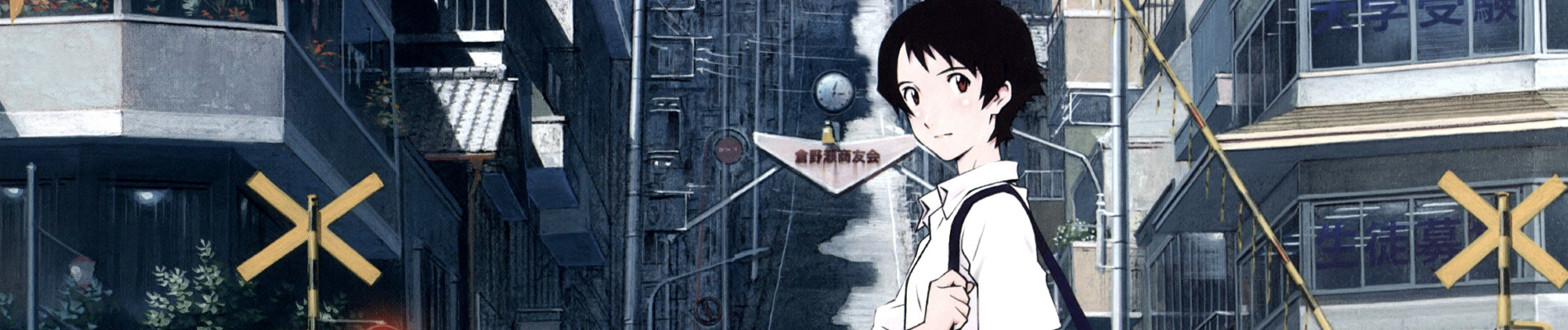
Makoto Konno is an otherwise ordinary schoolgirl until she gains the ability to leap into the past. This extraordinary power is promptly assigned to changing small parts of her own life. Personal convenience appears to be the first approved use of time travel. The past remains editable, while the consequences show less interest in following her preferred schedule.
Super Eyepatch Fox
Makoto is an ordinary student until a sudden event lets her leap into the past. She uses the power to change small inconveniences and make daily life easier. Each adjustment reaches beyond the moment she intended to fix. The premise keeps time travel close to school life before its consequences widen.
Gigguku
Makoto gains the power to leap into the past, and her first instinct is to improve her own day. Of course it is! That ordinary selfishness makes the science-fiction premise instantly human. Every small revision feels tempting because the problems are familiar. Then the idea of consequence starts pressing against a power that seemed built for easy do-overs.
Father's Basement
The premise keeps its time-travel mechanics broad, so rigorous science-fiction accounting is not the point. Makoto's use of the power is specific in a more useful way. She changes small parts of the past to make her own life easier. By beginning with ordinary convenience, the film gives every promised consequence a social scale before anything larger can take over.